
After finishing my recent 3-part series on Vietnam’s 50th Reunification celebration last April, I felt the need for something a little simpler and to take a bit of an intermission.
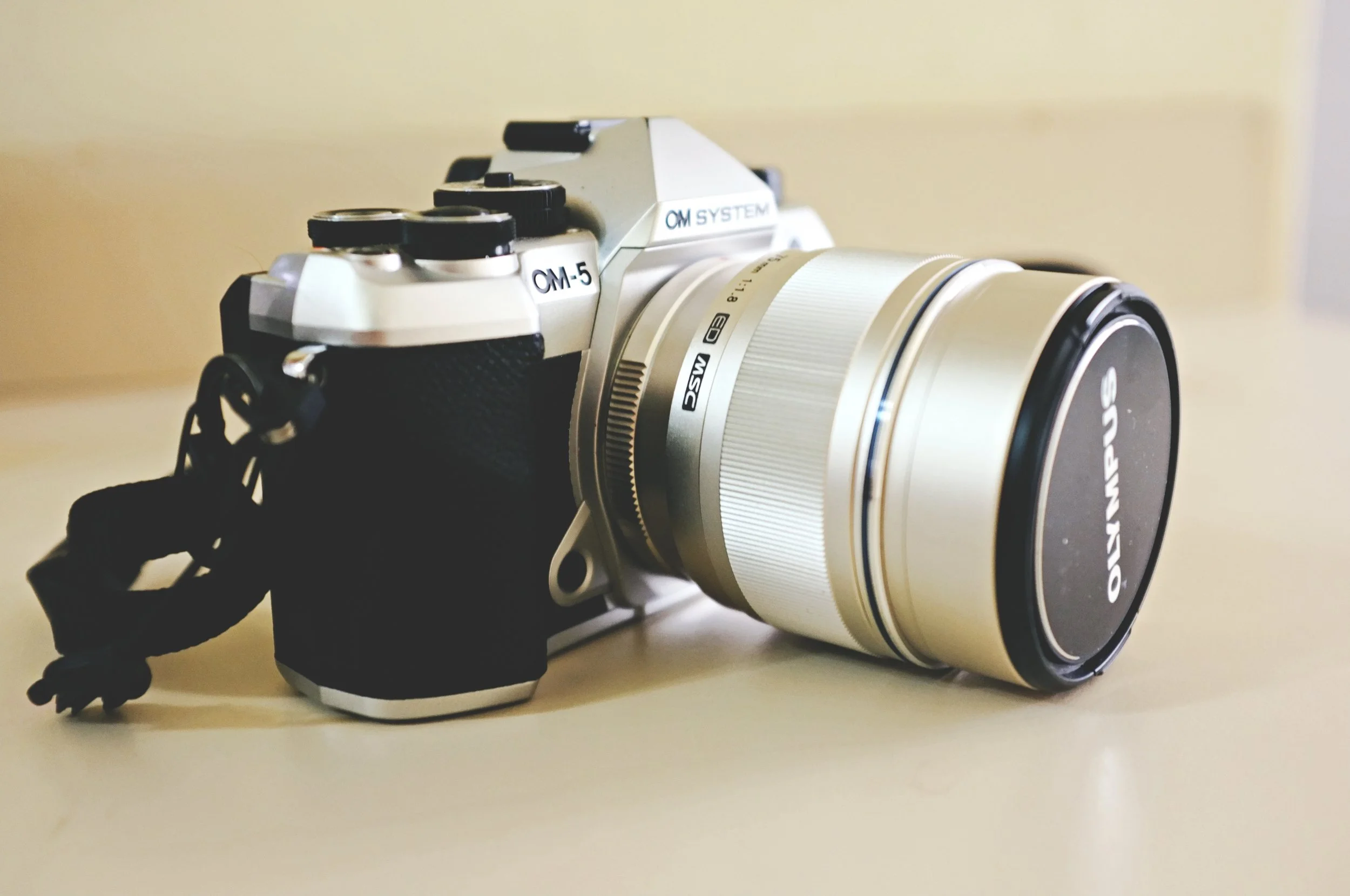
For the past few weeks, I’ve been enjoying a slower pace in Punta del Diablo, a small fishing village that’s now a popular tourist spot on Uruguay’s northern coast. The story of how I ended up here can wait for another day. What’s important is that this relaxed setting finally gave me the chance to try out one of my newest lenses, the Olympus 75mm f/1.8, which I snagged just before leaving Canada.
The 75mm has been around since 2012, and it was recommended to me almost immediately after I entered the Micro Four Thirds world with the OM-5 Mark II. What drew me in was its reputation for low-light performance, especially for live music, the type of environment I frequently find myself in, and a challenging place to test a camera.
Despite buying the lens secondhand on the outskirts of Montréal back in early January, I hadn’t really had a chance to use it until I got to Punta del Diablo. So, two weekends ago, I took only the 75mm with me for a sunset walk and then to a concert by the beach that night.

My view most days as I walk into town.

Quick note for anyone interested in photography: this was also my first time editing photos in Capture One instead of Lightroom. Since I spend most of my week on the computer for client work, I’ve been searching for ways to make editing easier. So far, Capture One seems to handle OM’s ORF and JPEG files really well. I’ve already noticed better color, a faster workflow, and fewer tweaks needed.
But back to the lens & Punta del Diablo:

The 75mm is mainly seen as a portrait or indoor events lens in the Micro Four Thirds system, and it’s equal to 150mm on a full-frame camera. This means it’s much longer than a typical 35 or 40mm street lens. You can’t stand right over your subject, so you often need to move or step back.
A 150mm lens can feel limiting when you go out to shoot, and it is, but I’ve found that having limits can actually make your photography better. Plus, if you’re shy like me, it gives you some distance from your subject.
The extra distance also lets you watch what’s happening without getting in the way. You’re close enough to feel involved, but far enough that you don’t change what’s going on just by being there.

Street vendors line the main road that takes you down to Playa de los Pescadores (a.k.a. “Fisherman’s Beach”)

I headed to the beach as golden hour began, which is usually the busiest time of day in Punta del Diablo. Since I only had the 75mm lens, I couldn’t just snap photos of everything. I had to slow down and choose my shots carefully. This helped me get used to the lens and find compositions that worked with its limits.


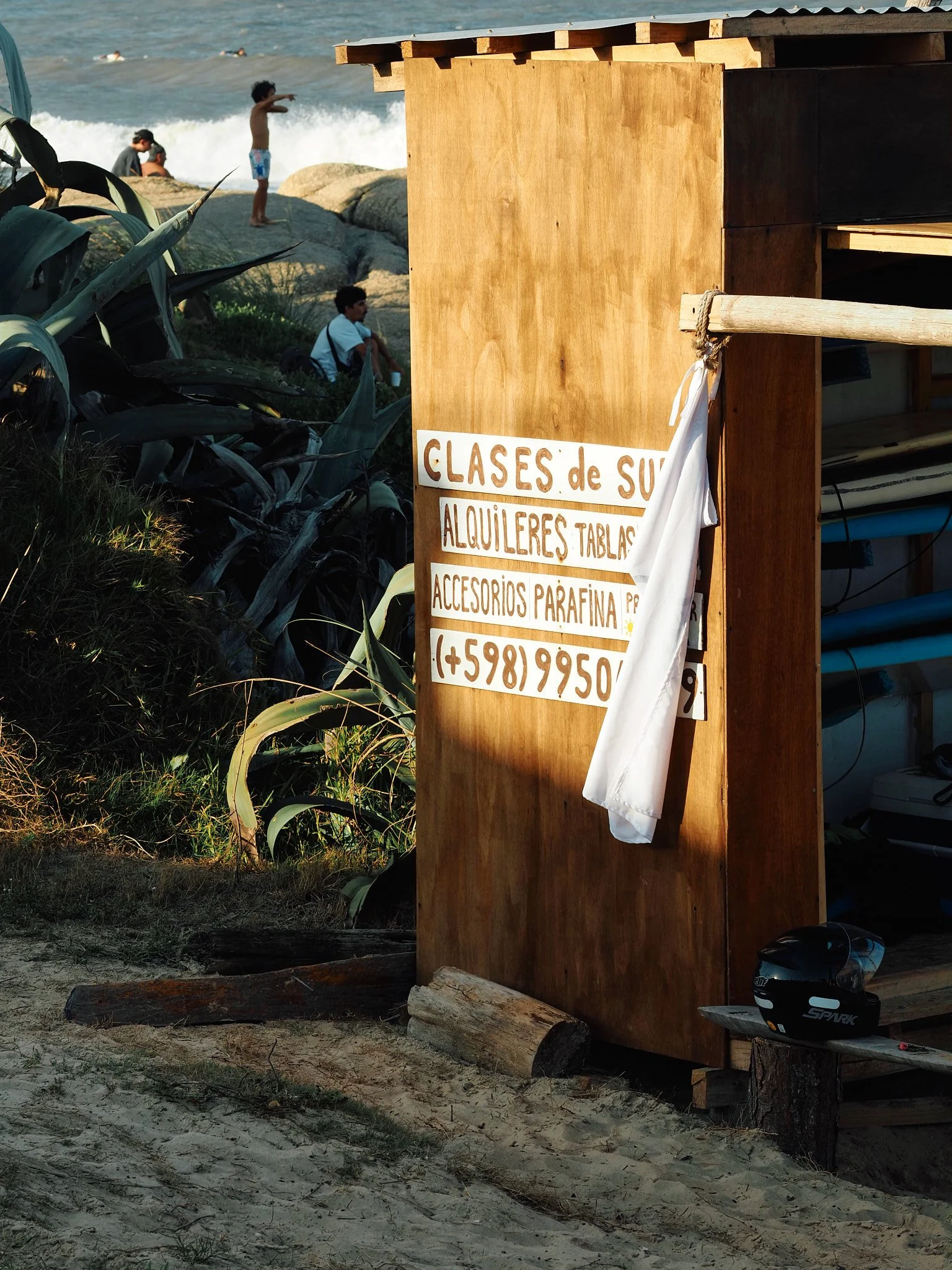


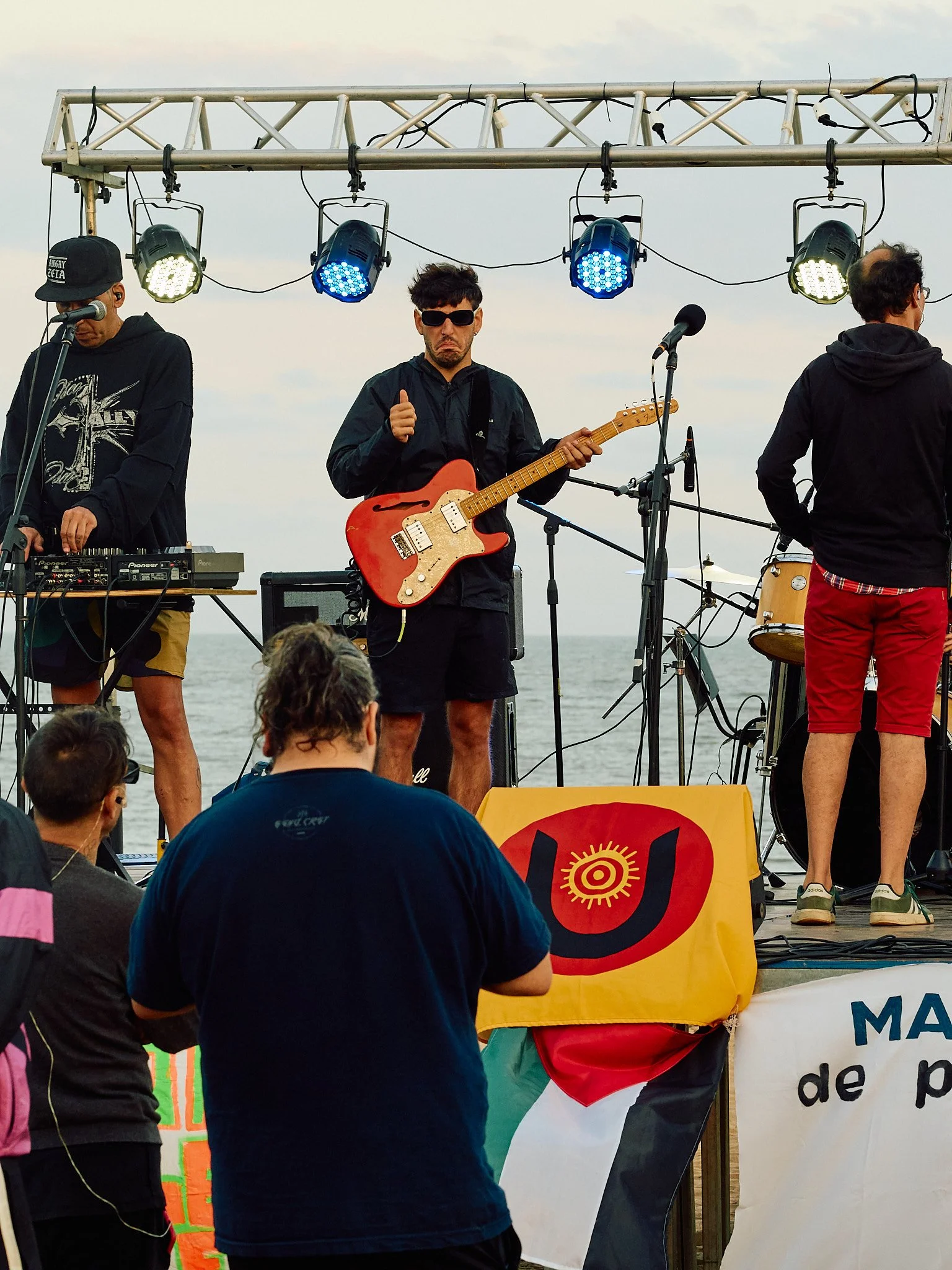
After a refreshing walk on the beach, I climbed a hill that looked out over the ocean, where an outdoor concert was set to happen that evening. Carnaval weekend was in full swing in Punta del Diablo, and as night approached, I was eager to really test the lens’s capabilities.

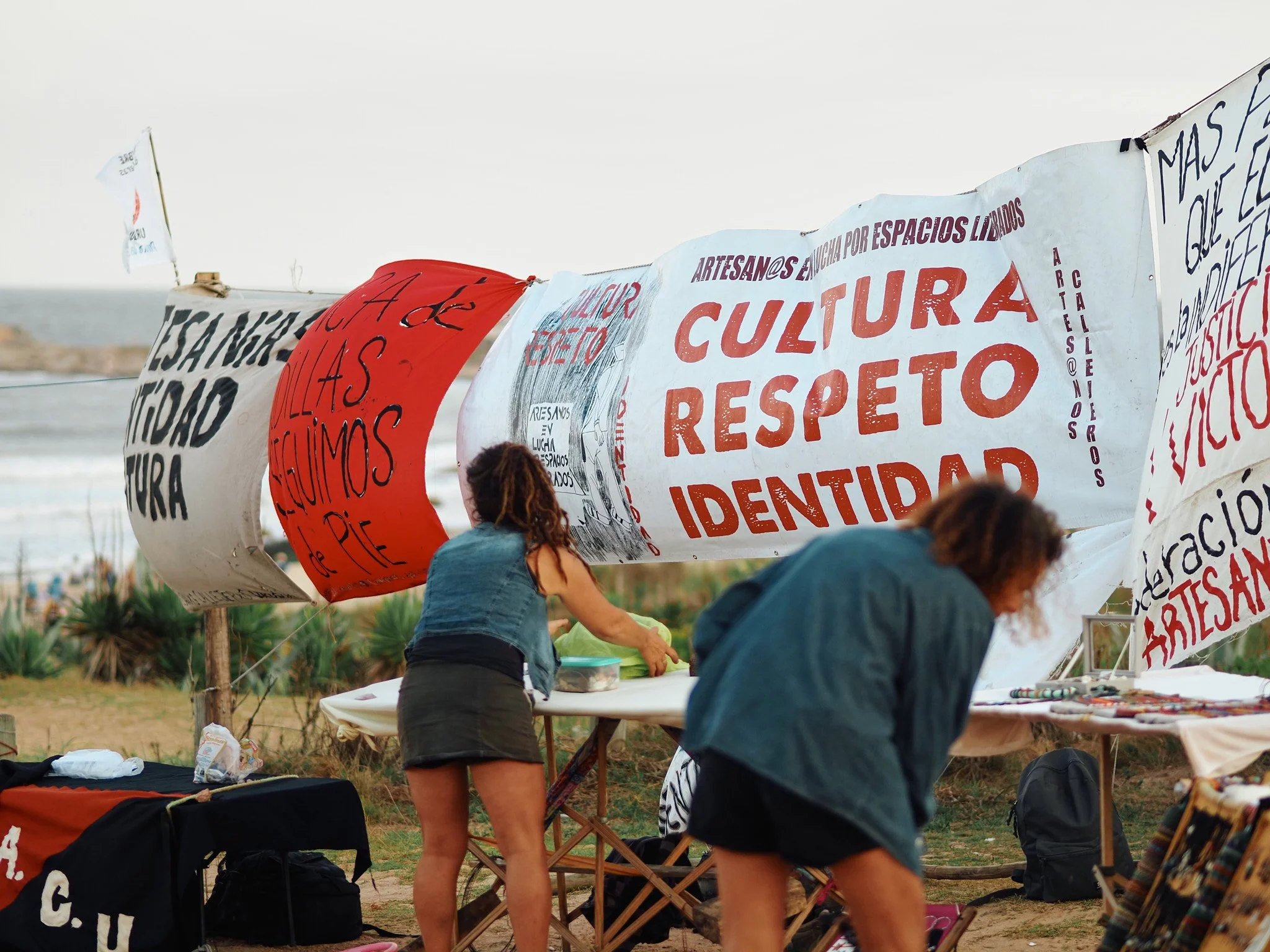

My friend Nuri arriving at the mainstage area. Guest-shot by our other friend Dani.

As the sun set and we waited for the concert to start, the sound of candombe, Uruguay’s traditional music and dance, grew louder. Drummers formed a circle in the middle of the crowd, and the rest of us gathered around them.
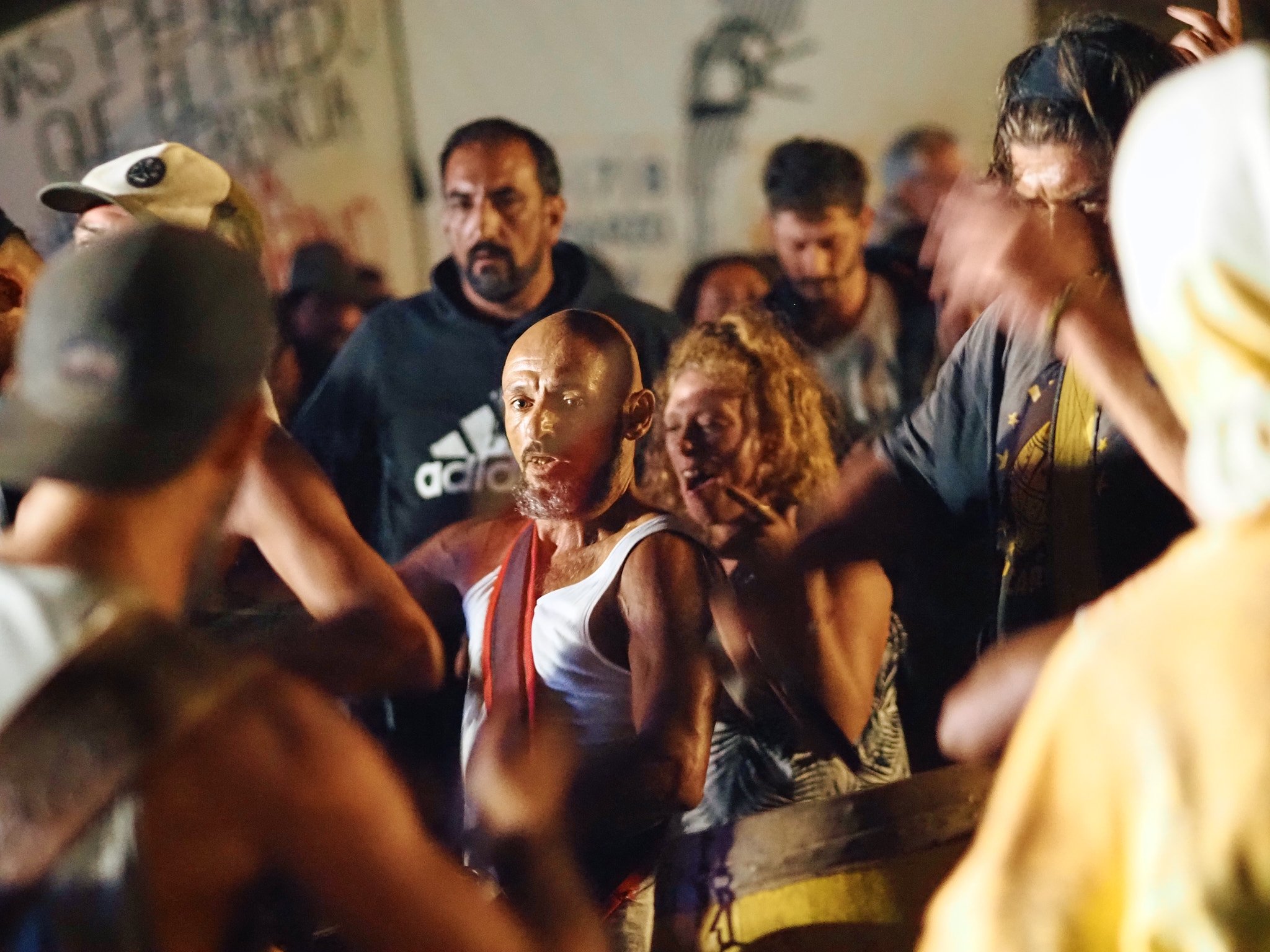
Scenes like this are always tough to photograph. Fast movement means you need a higher shutter speed, but low light makes things tricky, especially with Micro Four Thirds camera sensors.

Thankfully, a few days prior, I had learned to intentionally underexpose by -1.5 to -2 stops using exposure compensation, then lift the image shadows in post. This allowed me to keep ISO between 200 and 1200 and preserve most of the sharpness. Seeing the files on my computer later, even I was surprised at how well they held together.
After the candombe finished, a long-haired guitarist came on stage, lit mostly from behind. He was mostly a silhouette, which made it a genuine test for shooting in low light. With hardly any light coming from the front, the 75mm lens had to work with whatever contrast was available.


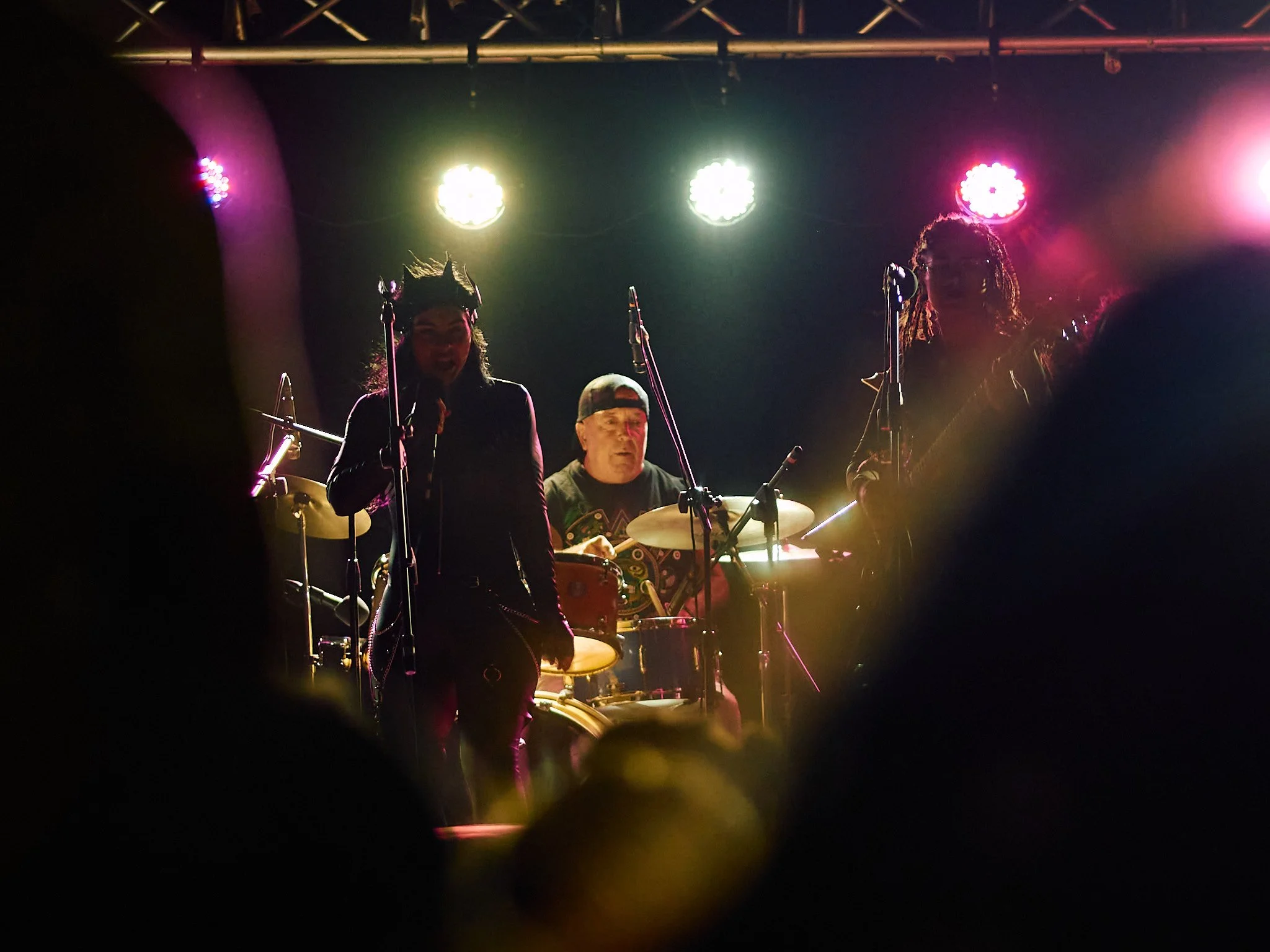
I could only bring back a bit of shadow detail from the underexposed shots, but the photos feel true to what I saw in the dark. That’s really all I could hope for from my small OM-5 setup.


What I like most about this lens isn’t just its sharpness or color, though both are great. Since my mind tends to jump around, I appreciate how the lens makes me slow down and work within its limits.
The 75mm doesn’t let you photograph everything you see. In Punta del Diablo, where the days are long, slow, and relaxed, that kind of restraint matched the vibe.
With my recent experiments, I’ve come to appreciate the Olympus 75mm even more. It’s not a lens I’ll carry every day, but when the light fades and I want to watch quietly from the sidelines, it’s the clear and easy choice for me.
I’d love to know what you think of these photos as I keep experimenting, so feel free to drop a comment below.
Thanks for reading, and I hope you enjoyed this little side trip.
GEAR USED:
OM-5 Mark II + Olympus 75mm f/1.8 Prime Lens
If you’d like to support this work, buy me a coffee below: